Assistant Professor · Medical Oncology
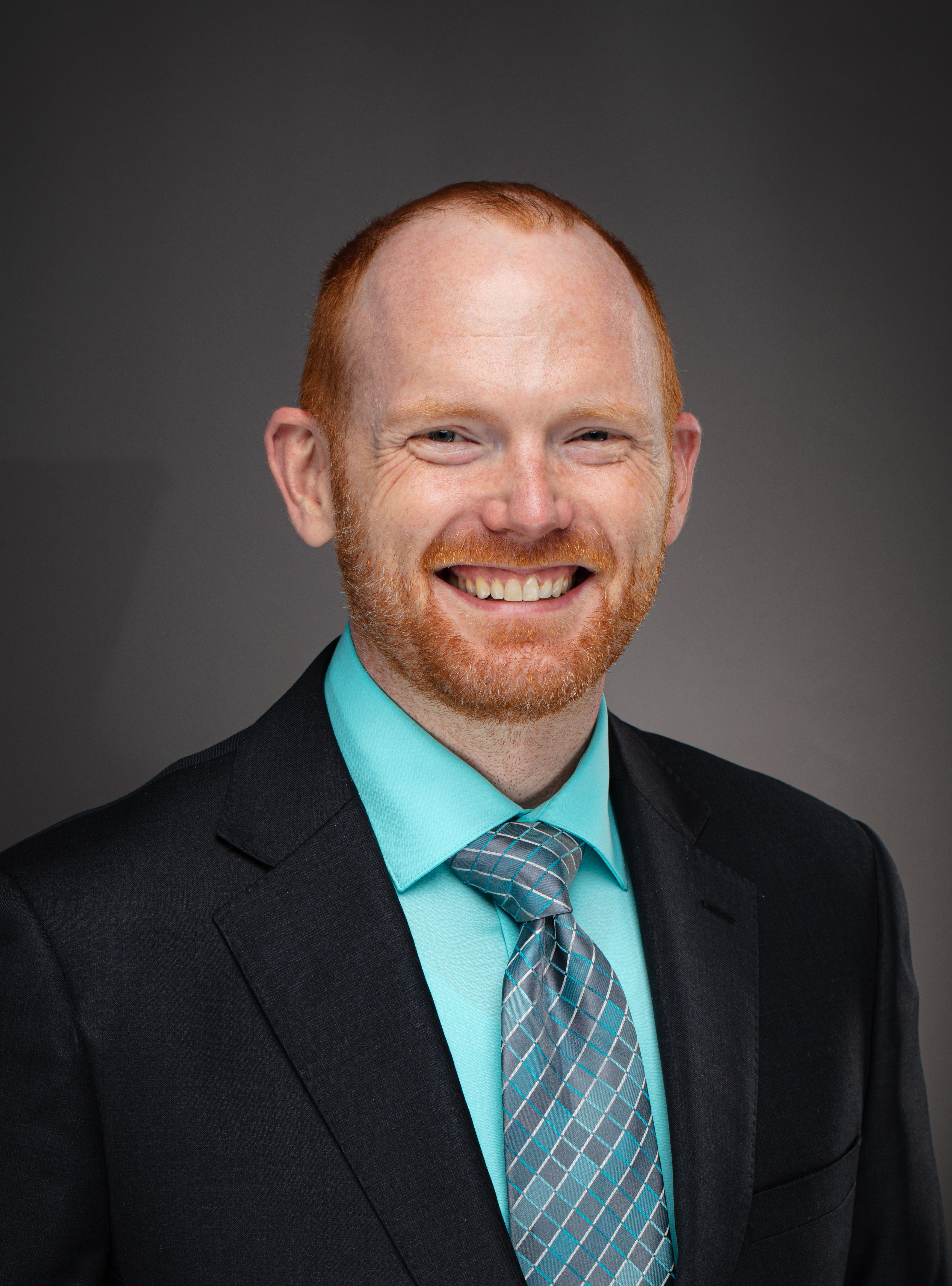
David J. Savage
MD · PhD · FACP
Melanoma, Advanced Skin Cancer & Sarcoma Specialist
University of New Mexico Comprehensive Cancer Center
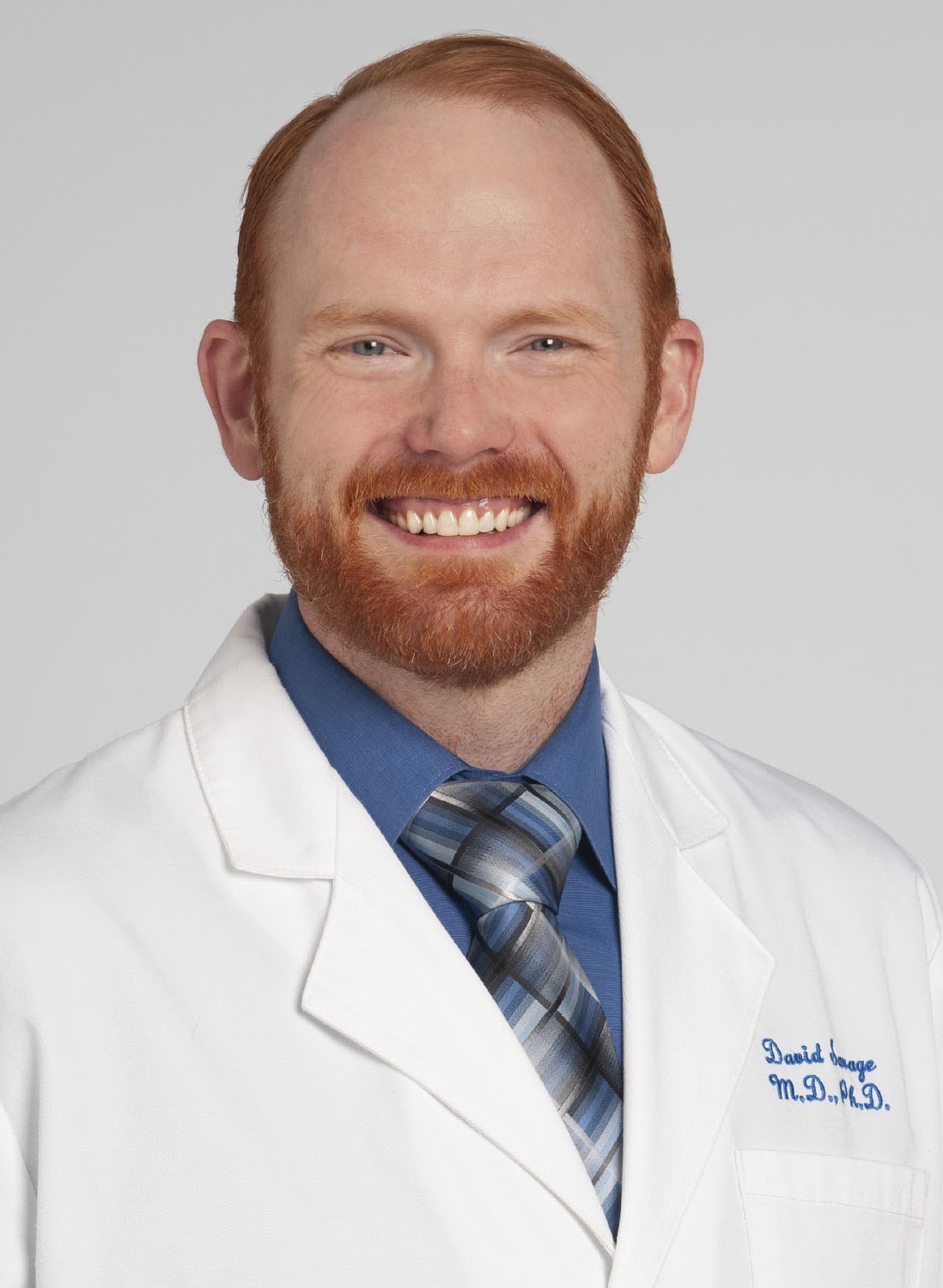
Assistant Professor · Medical Oncology
MD · PhD · FACP
Melanoma, Advanced Skin Cancer & Sarcoma Specialist
University of New Mexico Comprehensive Cancer Center
About
Dr. David J. Savage is a medical oncologist and assistant professor at the University of New Mexico Comprehensive Cancer Center in Albuquerque, where he specializes in melanoma, non-melanoma skin cancers, non-malignant skin disorders, and sarcoma.
A graduate of the Medical Scientist Training Program (MSTP) at UTHealth McGovern Medical School in Houston, Dr. Savage earned both his MD and PhD, conducting doctoral research on the enzyme UBE4B and its role in neuroblastoma chemotherapy response. His training continued at the Cleveland Clinic for internal medicine residency, UC San Diego Health for his senior residency year, and Scripps for hematology-oncology fellowship — where he served as chief fellow.
Beyond the clinic and laboratory, Dr. Savage is deeply committed to medical education, humanitarian service, and physician leadership at the local and national level.
Clinical Expertise
Diagnosis, staging, and management of all stages of melanoma, including immunotherapy and targeted therapy for advanced disease.
Comprehensive care for Merkel cell carcinoma, cutaneous squamous cell carcinoma, basal cell carcinoma, and other advanced non-melanoma skin cancers.
Medical oncology management of soft tissue and bone sarcomas, with a focus on multidisciplinary collaborative care.
Oncology-adjacent management of complex dermatologic conditions requiring systemic treatment strategies.
Education & Training
Scripps Health — San Diego, CA
Completed subspecialty training in hematology and oncology. Served as Chief Fellow during senior year, providing clinical and administrative leadership across the program.
UC San Diego Health — San Diego, CA
Cleveland Clinic — Cleveland, OH
Inaugural participant in the Clinician-Educator Track, a specialized pathway emphasizing medical education alongside clinical training.
UTHealth McGovern Medical School — Houston, TX
Dual-degree physician-scientist program. Doctoral research focused on the ubiquitin ligase UBE4B and its role in modulating neuroblastoma response to chemotherapy.
Media
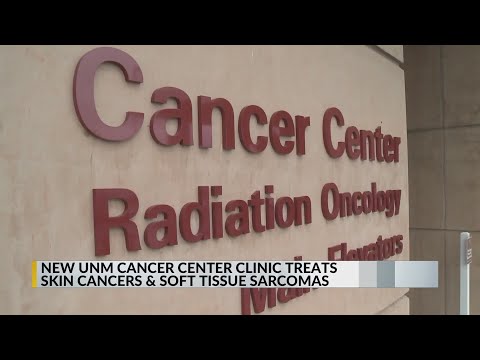
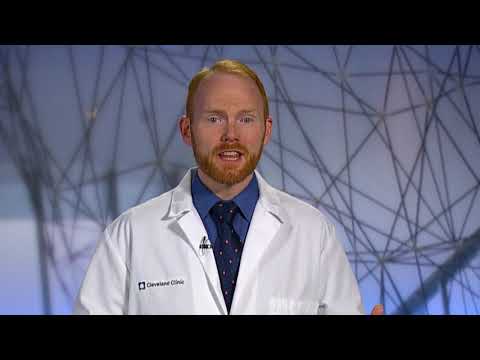
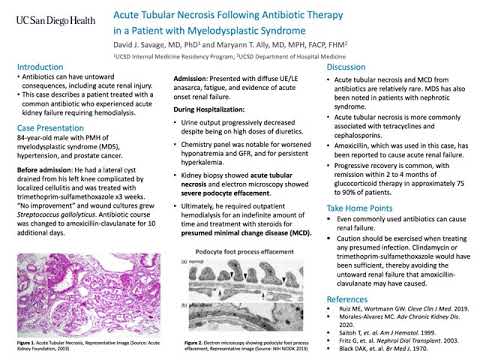
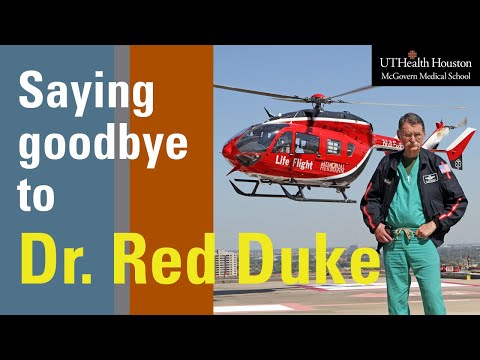
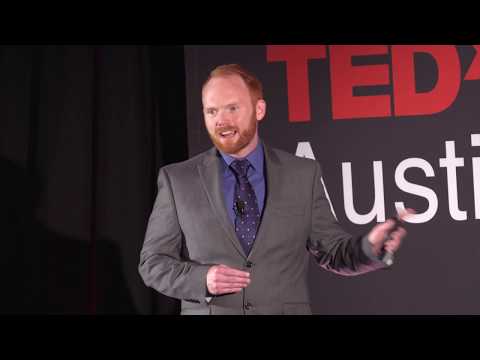
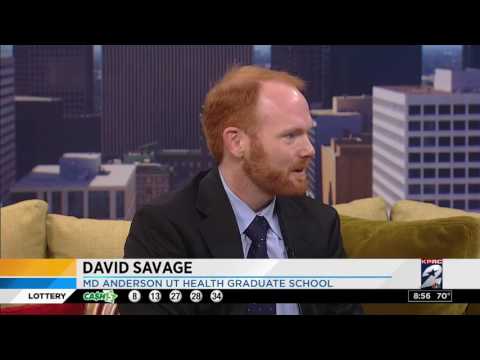
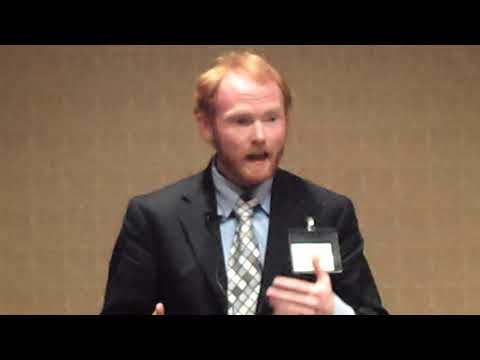
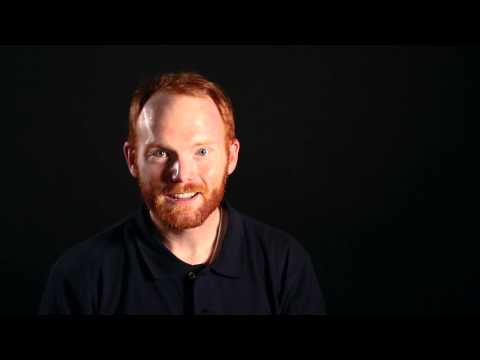
Television appearances, TEDx talks, conference presentations, and academic events.
Teaching & Scholarship
Dr. Savage is interested in population research projects to increase sun protective practices that prevent future skin cancers.
Patterns in Progression from Early-Stage Melanoma to Late-Stage Melanoma: Implications for Survivorship Follow-Up
Melanoma Management · 2024;11(1):2424708 · PMID 39869444
Examined 880 melanoma patients with early-stage disease (IA–IIA) who subsequently developed stage IV recurrence, finding a median latent period of 4 years and that 54% developed metastases at or after the four-year mark. The findings support extended monitoring beyond four years and symptom-prompted imaging for pulmonary or neurologic symptoms in survivorship management.
Implementing a Telemedicine Curriculum for Internal Medicine Residents During a Pandemic: The Cleveland Clinic Experience
Postgraduate Medical Journal · 2022;98(1161):487–491 · PMID 33692154
Describes the Cleveland Clinic Internal Medicine Residency Program's rapid rollout of a telemedicine training curriculum in response to the COVID-19 pandemic, finalized in under five weeks. Residents completed over 2,000 virtual visits within ten weeks, building substantial telemedicine competency despite minimal prior experience.
Teaching Residents How to Break Bad News: Piloting a Resident-Led Curriculum and Feedback Task Force as a Proof-of-Concept Study
BMJ Simulation & Technology Enhanced Learning · 2021;7(6):568–574 · PMID 35520962
Piloted a resident-led curriculum pairing a mandatory communication skills workshop with bedside feedback from a trainee-led task force, training 148 internal medicine residents. 73% of participants reported enhanced confidence in breaking bad news after the intervention, supporting a sustainable, trainee-driven model for teaching this skill.
Blog
Thoughts on oncology, medicine, medical education, and beyond.
Contact
For clinical inquiries, speaking engagements, research collaborations, or media requests, please connect on LinkedIn, Doximity, or ORCID, or reach out directly by email.